Monday, 21 May 2018

Your Other Floss Options

How many of you remember the show Supermarket Sweep? If you were told to scour the grocery store aisles in search of interdental cleaners, would you know what you were looking for? 


Even without the pressure of television cameras or a countdown clock, interdental cleaners could stump even the savviest shopper. On the other hand, if you were asked to look for dental picks or floss, our guess is that you would know exactly where to go. 


Well, you guessed it, interdental cleaners describe a category of tooth cleaning products that help remove debris and plaque that collect in between your teeth. Keep reading as we unpack these devices and highlight their effectiveness in doing the job of keeping your teeth clean! 
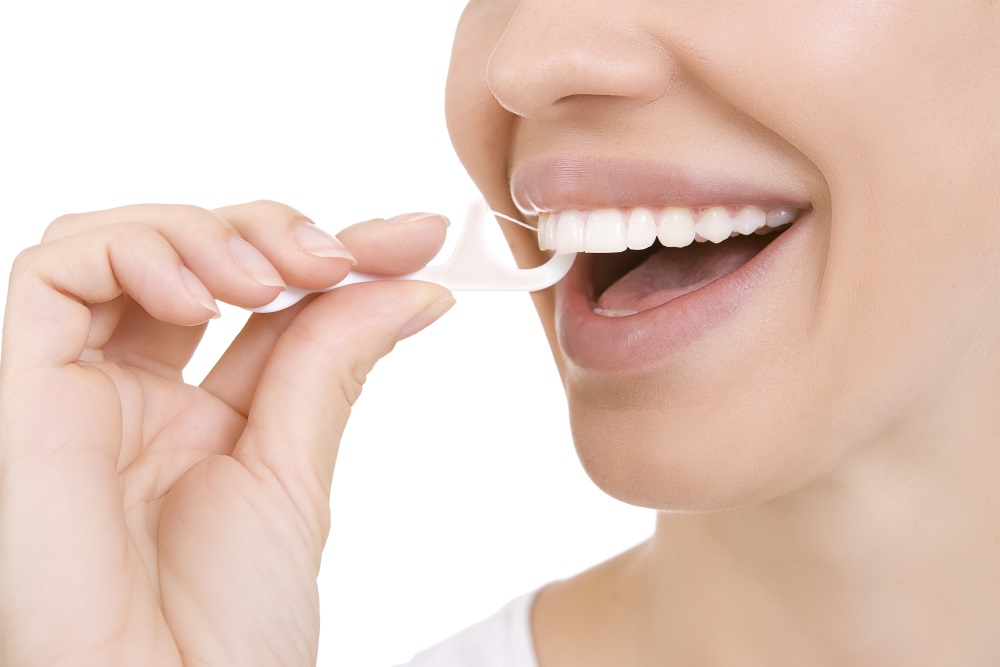
 Other floss options


Examples of interdental cleaners  


While the vast majority of the population brushes their teeth twice a day (or so we like to think), it’s still somewhat shocking that less than 40% of people admit to flossing once a day, with 20% of people admitting they never floss at all. If you are only brushing, you’re only getting your teeth 60% clean. Ask yourself, why would you only bathe half your body? 


Flossing is a vital component to your oral health routine. When picking dental floss, it’s important to pick a product that is most comfortable to you and that is easy to use. In other words, pick whatever gets you to feel more inclined to do it. If flossing is a struggle, you’re more likely to skip it in your daily routine. 


The main difference between traditional stringed floss types is whether it’s waxed on not. Waxed floss can easily slip between the teeth and is something usually flavored with mint. Floss picks are another option. Unlike stringed floss, a roughly ¾-inch stretch of floss is strung like a harp onto a plastic, handheld device. While easy to handle, some dentists are afraid they aren’t as good at removing plaque, since it’s difficult to complete a “C” around the tooth to completely clean it. You probably hadn’t stopped to think about this before, but the ability to curve the floss around each tooth is one of the important dental floss tricks! 


Nonetheless, the reasons to use interdental cleaners are still many. Keep on reading to learn our top five reasons to hit this shelf at the store the next time you shop! 


Top five reasons to use interdental cleaners  


  1. Prevents tooth decay: Tooth decay is totally preventable. And, left unchecked it can cause pain, infection and even tooth loss. Flossing helps prevent decay by removing hard-to-reach particles of food and plaque that brushing can leave behind. Prevention is key, and flossing is an essential element.
  2. Prevents plaque buildup: Plaque moves fast and can start affecting teeth just hours after eating. Plaque hardens in 48 hours and is then firmly stuck on your teeth. Skipping a few days of flossing can be incredibly detrimental, and a professional cleaning would be needed to get all the hardened plaque off.
  3. Helps prevent gum disease: Even the best of tooth brushes can’t reach in between all of your teeth. Plaque can build up settle on your gum line and between teeth, and create a bacteria that can harm your gums. If that doesn’t make you want to floss, the bacteria can also affect the gum tissue and bone that support your teeth. This can lead to loose and falling-out teeth.
  4. Keeps your whole body healthy: Studies have shown a link between gum disease and heart attacks and strokes. It’s thought that since gum disease is caused by bacteria it can enter your bloodstream, and where they attach to the fatty deposits in the blood vessels they end up causing bigger problems. This can cause blood clots and may lead to heart attacks.  In the absence of gum disease, scientists have found, there is actually less bacteria in the heart.
  5. Prevents bad breath: Bad breath is normally caused by your teeth, tongue or gums. Small pieces of food can become lodged between your teeth, and over time breed bacteria that omits odoriferous gasses (this means the stinky kind). In addition to flossing to remove the food particles, drinking lots of water will also help you keep bad breath at bay.   

The post Your Other Floss Options appeared first on Fort Worth Dentist | 7th Street District | H. Peter Ku, D.D.S. PA.


Monday, 14 May 2018

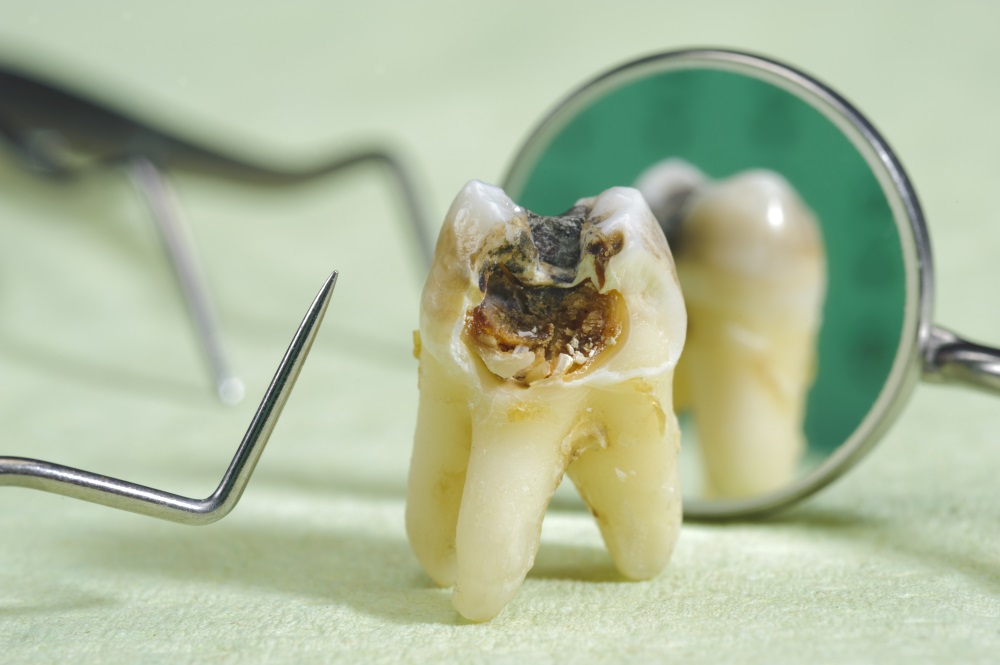
Your Risk Assessment For Cavities

If you were asked to name the most common chronic disease found in children and adolescents, what would you guess? Asthma or diabetes? Or maybe cerebral palsy? While all of those conditions rank high on the list, the number-one chronic childhood condition—four times more prevalent than asthma—is tooth decay. And it’s not only in children! Nine out of 10 adults have some degree of tooth decay. And, as you know, tooth decay and cavities go hand in hand; therefore, it’s important to know how at risk each of us are for developing cavities.


Follow along as we offer a simple cavities risk assessment so you can know if you’re in danger of developing cavities! 

 Risk assessment for cavities

Your risk assessment  


Answer in a yes/no format: 


  1. Have you visited the dentist in the past twelve months?  
  1. Do you brush your teeth at least twice a day?  
  1. Do you floss your teeth after every brushing? 
  1. Do you use a fluorinated tooth paste?  
  1. Do you avoid sugary foods or soft drinks?  
  1. Do you chew sugar free gum?  
  1. Do you mouth feel dry or feel like you lack saliva? 
  1. Have you had sealants places on your teeth? 


If you answered no to more than two of the cavities assessment questions above, then you are at an elevated risk for developing cavities. It’s important to review your oral health and dietary habits to ensure your teeth are protected from decay. 


Background on tooth decay  


Tooth decay affects 97% of the population worldwide at some point during their lifetime. Tooth decay can destroy enamel on the surface and then the hard dental tissues below. Aggressive decay can be detected by a simple visual exam while less acute cases are found through the use of an explorer or ball-tipped probe. The severity of tooth decay is measured on a patient-by-patient basis using a methodology that takes each person’s unique dental history into consideration. The outcome of the assessment guides the dentist in creating a treatment plan. 


What stuff really increases risk? 


As you might have noticed from the risk assessment above, there are many characteristics that increase the possibility that your teeth might suffer decay. These include: 


  • Consuming sugary foods and drinks 
  • A prevalence of tooth decay on your maternal side of the family 
  • Special health care needs such as developmental, physical, medical or mental disabilities 
  • Chemotherapy or radiation  
  • Severe dry mouth  


Patients who meet the criteria for being deemed high risk are encouraged to minimize sugar intake and be cognizant of limiting the acid in their diet to prevent the erosion of enamel. In addition to following optimal oral hygiene practices that include brushing at least twice a day followed by flossing, patients should consider other preventative treatments such as fluoride applications. Finally, filling in the grooves of your teeth with sealants can prevent food from becoming lodged in these areas (which can create tooth decay). 


If you’re concerned that you might be considered high risk for tooth decay and cavities, it’s important to discuss this with your dentist at your next appointment. Tooth decay can lead to an array of other health issues that affect all systems of your body, so it’s important that you call us today about any concerns you might have!

The post Your Risk Assessment For Cavities appeared first on Fort Worth Dentist | 7th Street District | H. Peter Ku, D.D.S. PA.



Monday, 7 May 2018

What’s In The Water?

How often do you think about what is in your tap water before you drink it? Most of our drinking water is drawn from reservoirs like the one at Lake Ray Hubbard, Lake Lewisville, or Lake Grapevine. 


In addition to natural minerals found in our water, fluoride is added to our water system. To keep our drinking water safe and to harness the natural benefits, it takes a significant amount of science and technology to meet today’s expectations. Thanks to this, our drinking water is not only able to help nourish our body, but protect our teeth as well! 


Keep reading to find out how fluoride has changed history and the benefits it has for our teeth!  

 Fluoride in the local water?

History of water fluorination  


The initial study of fluoride in water occurred in the early 20th century in Colorado. These early studies that were spurred by most residents having brown stains on their teeth, which created a groundswell in research on the correct levels of fluoride in water. Through this study dentists and researchers were able to identify how fluoride in the water effects the teeth along with the adverse effects of too much fluoride (leading to brown stains). 


Subsequent studies were built on the early research to test the hypothesis that correct fluoride levels in the water were beneficial to oral health and helped prevent cavities. Working with the U.S. Public Health Service team, researchers published studies confirming that fluoride was beneficial to long-term oral health. These early studies that compared cities with fluoride in the water to cities without prompted Grand Rapids, Michigan to be the first city in 1945 to add fluoride to the water for the dental benefit. 


Since 1945, hundreds of cities have started community water fluoridation, and in 2012 nearly 75% of the United States served by community water systems had access to fluoridated water. Because of its contribution to the dramatic decline in tooth decay over the past 70 years, the CDC named community water fluoridation as 1 of 10 great public health achievements of the 20th century. 


Unfortunately, over 100 million Americans still do not have access to water with fluoride. Since it is so beneficial (saving teeth and money), the U.S. has made it a goal to have 80% of all American households have access to fluorinated water by 2020. 


How does it work? 


While all water contains some fluoride naturally, in most instances it’s not enough to prevent cavities or to provide an oral health benefit. Bad bacteria in the mouth produces acid, which can cause tooth decay or other oral health problems. Fluoride acts as a barrier and strengthens the tooth enamel. To that end, water fluoridation prevents tooth decay by providing frequent and consistent contact with low levels of fluoride. By keeping the tooth strong and solid, fluoride stops cavities from forming and can even rebuild the tooth’s surface. 


Guidelines for water fluoridation  


In 2015, the federal government revisited the guidelines for the levels of fluoride to be included in water. The level was lowered from 1.2 milligrams per liter to .7 milligrams per liter. This change was made to account for the growing number of cases of fluorosis and as a result of Americans receiving fluoride from a variety of sources—not just drinking water. If you’re curious about the levels of fluoride in your drinking water, the Centers for Disease Control and Prevention releases a list that your explore.  


If you are concerned about what is in your drinking water (both fluoride levels or other natural minerals) then give our office a call today. Dr. Ku will be happy to review local water reports and analyze the data for you.

The post What’s In The Water? appeared first on Fort Worth Dentist | 7th Street District | H. Peter Ku, D.D.S. PA.


Monday, 30 April 2018

Technology in dentistry

New Technologies In Dentistry

We live in a time when technology is advancing faster than most of us can keep up. Take our iPhones for instance. They have only been on the market for ten and a half years, and even then…the early models look like bricks compared to the highly sophisticated devices we have in our pockets now.

And to think we sent the first spaceships into orbit with less technology than is in wrist watches today! In the medical setting we have also seen hug leaps in technology in the past few decades. From cancer treatments that use a patient’s own cells to fight tumors to lasers in dentistry that whiten teeth, we live in the best time for medical advancements.

Keep reading as we highlight some of the biggest innovations in dentistry over the past decades!

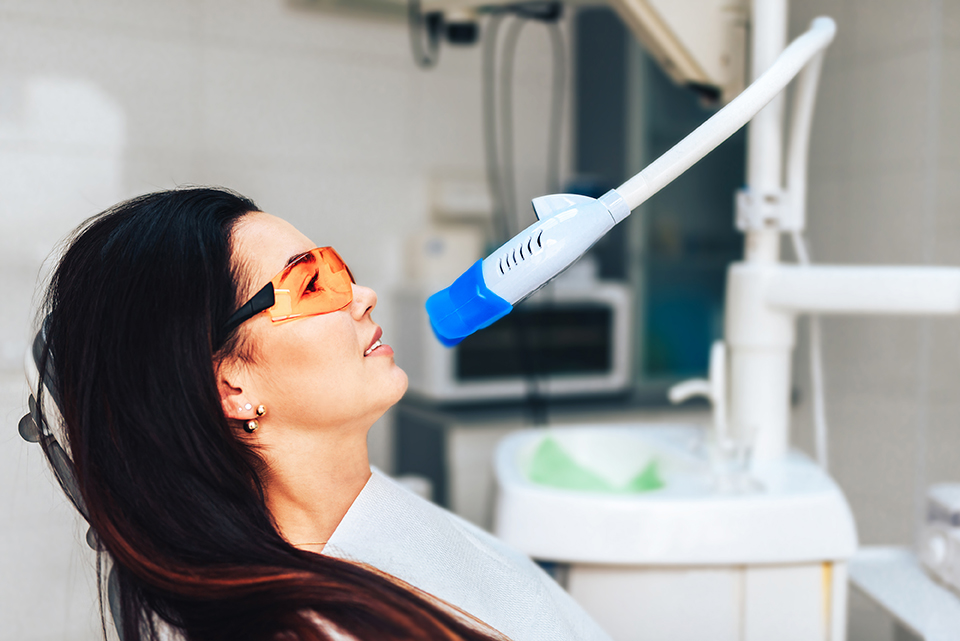
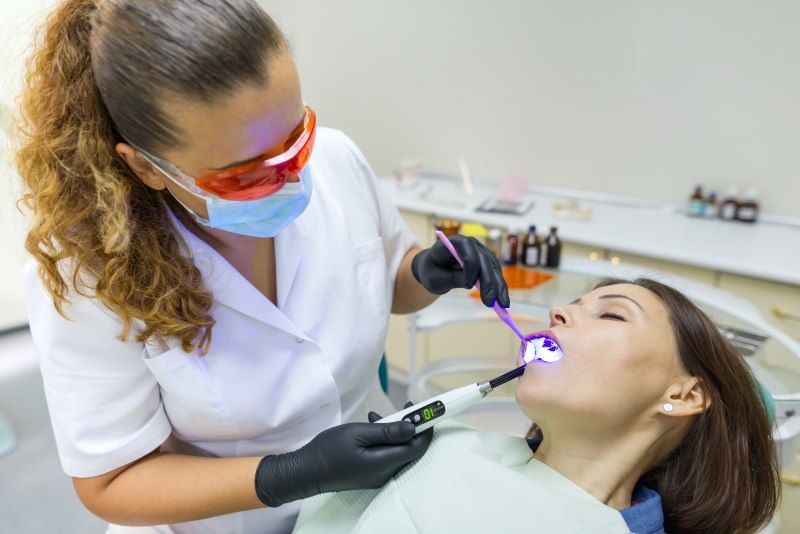
Teeth whitening in dental clinic for female patient

Highlighting cool technologies in dentistry

Throwing it way back, the discovery of fluoride and the invention of modern toothpaste in the last century revolutionized and changed the course of oral care. Our not-too-distant relatives commonly lost all their teeth in early adulthood and suffered greatly from oral health problems due to the lack of proper hygiene products. The combination of fluoride and modern toothpaste change the course of oral health.

While the idea of dental implants is not new (in fact they date back to 600 A.D.), innovation over the last several decades has brought this ancient idea into the future. Over the last 30 years, dentists and researchers have learned more about how implants can integrate with the jawbone. Today, many experts point to the discovery that titanium can physically bond with living bone tissue as the catalyst to the modernization of dental implants. Modern implants use titanium to form an artificial root of the tooth. Once surgically implanted into the jawbone, the titanium bonds with the jawbone and heals much quicker than previous iterations. This technology brings comfort, aid in eating and confidence to millions of Americans every year.

Another dental technology that has changed the landscape is teeth whitening. Once again, the idea has been around for decades; however, modern technology has allowed patients to have office-quality whitening service at home. Tray whitening has allowed people to complete the treatment at home and new laser-based technology has allowed for quick in-office procedures that give same-day results. In addition to these, over-the-counter products have also become more accessible to the masses.


Onto the future…

In addition to the technologies that are currently dominating the marketplace, there are always new things right around the corner. As dentists, we are always excited to discover new technologies that can make appointments easier for patients and keep their teeth healthy! Ultrasound technology is one budding innovation that allows dentists the option of radiation-free imaging and 3D images of the teeth. There is still work to be done here since the images are not always very crisp. However, there are always new breakthroughs in ultrasound technology and we hope it will eventually be a viable alternative.

3D printing has taken the world (and dentistry world) by storm. A new proprietary method opened by Carbon boasts printing speeds more than 100 times faster than your traditional 3D printer. This technology has already begun to be harnessed by using 3D printers to make dentures! This technology will allow dentists to do things more accurately, faster and cheaper than traditional methods. This all results in more benefits for the patient!

Finally, virtual reality is no longer just for video games. Thanks to its proliferation in the market, virtual reality training is beginning to change the way dentists are trained in dental school and continuing education classes. These systems allow dentists to hone their skills and experiment all without the presence of an actual patient. In addition to the dentists benefitting, some offices are allowing their most anxious patients to wear virtual reality headsets during exams to calm nerves and provide an escape.

Technology is every changing and here at Dr. Ku’s are always keeping our eyes out for new products that can make your trip to the dentist even better!

The post Technology in dentistry appeared first on Fort Worth Dentist | 7th Street District | H. Peter Ku, D.D.S. PA.



Thursday, 26 April 2018

Tips For Summer 2018 Travel

With summer vacations right around the corner, you might already have vacations planned that require a trip to the airport.  


Exciting! 


While getting to your destination is great, the process can be long, tiring and frustrating…especially if you have kids in tow or are having to conquer the labyrinth that is DFW Airport! To ensure that we enter the summer stress-free and each make it to our vacation destinations in one piece, we’ve provided our Tips and Tricks on how to make air travel easy! 

 Tips for summer 2018 travel

Packing 


Depending on the duration and destination, our packing advice is going to vary slightly. If you’re heading out of town on a short trip (i.e., less than two weeks), pack light and consider shipping toiletry items to your destination via Amazon or another big-box retailer. This could include wipes, diapers, sunscreen, snacks, or even sippy cups—things that your children rely on daily, but you don’t want to take up room in your bags. Remember, it’s important to be agile at the airport, and that requires less stuff! 


If you are taking a long, luxurious trip that will have you out of town for weeks at a time, still pack light. You will not want to be lugging around huge suitcases for weeks on end. If you are gone for a while, scope off where you’re going and the options for buying additional necessities when you get there. For instance, if you need extra shirts for your kids, is there a Gap Kids (or the foreign equivalent)? Having this knowledge will help you pare back your belongings. Also, look for accommodations with washing machines, like on Airbnb. This will help you pack less and re-wear more! 


Finally, don’t forget to double bag all your liquids. You don’t want shampoo spilling all over a week’s worth of clean clothes! 


Navigating the airport 


This can be daunting, especially with strollers, car seats and all those bags (however, if you followed our packing instructions then it won’t be that many)! So for starters, check in ahead of time. Then, if you are traveling with another adult, have them drop you at the curb with all the bags or clunkier items. The other adult will park the car and solely handle the children. You will be able to divide and conquer and get those bags checked before the cutoff time. 


Once in the airport try to be as nimble as possible. This means checking everything you can. After you pass through security, keep your kids moving. This will help them get out all their wiggles before the flight. 


On the plane 


Be like a boy scout and come prepared with one of each of the bare necessities. This means snacks, extras clothes, diapers, activities and a little bit of grace for yourself and your family. No matter how many times your kids cried, or the number of lollipops you had to feed them to keep them quiet, it’s ok. Th plane ride is just something you have to get through! 


…Enjoy your vacation 


Celebrate once you get there, because you did it! Enjoy your vacation and cherish all the moments with you family or friends, because soon you’ll have to pack up and do the whole airport thing all over again. With these easy tips, we hope to make getting to your destination less stressful and, if possible, thoroughly enjoyable! 


We are always looking for new tips and tricks for traveling—especially with kids! So let us know what works best for you and your family!  

The post Tips For Summer 2018 Travel appeared first on Fort Worth Dentist | 7th Street District | H. Peter Ku, D.D.S. PA.


Monday, 23 April 2018

Your Fluoride FAQ

Have you ever stood in the toothpaste aisle at the grocery store and been totally overwhelmed by the options? 


What makes the choice hard for toothpaste is that there are so many ingredients included—and some of them with controversial news items, particularly fluoride. What is fluoride, and is it actually necessary? We know a lot of our patients are committed to “eating clean” and avoiding the use of overly-processed chemicals and ingredients. So, should you avoid using fluoride and opt for fluoride-free toothpaste, too? 


To dispel myths and ensure you are protecting your teeth with every brushing, we’ve compiled a list of Frequently Asked Questions we receive from our patients. If there is any question not listed, feel free to give our office a call today! 

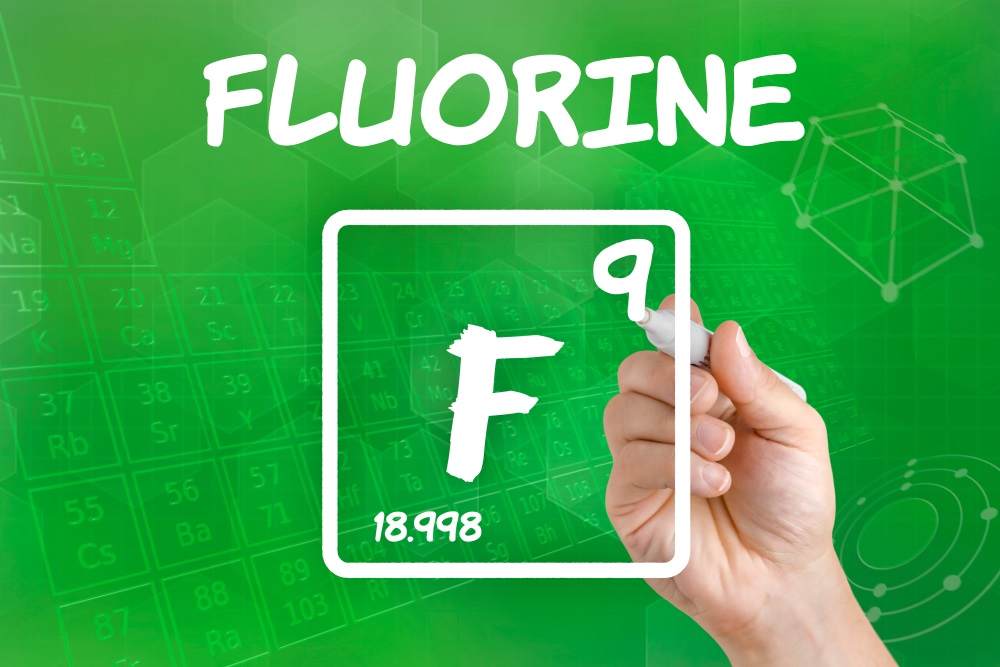
 How does fluoride work

Is fluoride natural? 


Fluoride is a naturally occurring chemical ion found in rocks, soil, and water. However, it does not exist on its own in nature. To harness its benefits, it must be created though a scientific process. Harnessing the ion was a scientific achievement in the first half of the 19th century, and its benefit were discovered to be so widespread that it was added to water and toothpaste in the 20th century. 


What does fluoride do for my teeth? 


Fluoride protects teeth by making tooth enamel stronger and more resistant to the bacteria that feed on their outer surfaces. Fluoride actually gets into your enamel, and once there it combines with the calcium and phosphate to create a stronger outer layer. 


Worn enamel can cause weak teeth that easily chip or break. Thanks to fluoride in toothpaste, teeth are stronger than ever, and there has been a significant decline in cavities since its introduction.  


Where do I find fluoride? 


Fluoride exists naturally and is in almost all water supplies in the U.S. That said, in many areas the fluoride levels are even further increased in water to help protect your teeth. Some experts believe that the rate of cavities has been cut by more than 25% fully due to the fluoridation of water! 


In addition to water, most toothpastes also contain fluoride. The combination of fluoridated water and toothpaste has saved both patients—and state governments who administer health benefits—millions of dollars! Healthier teeth mean more money in your pocket. 


For patients that are at a higher risk of developing cavities, your dentist can even provide an additional fluoride treatment. These professional treatments only take a few minutes and are much stronger than what’s available over the counter. If you have a history of cavities, talk to your dentist today about a fluoride treatment.  


Is fluoride safe for children? 


While fluoride is generally lauded as a great accomplishment in public health, some concerns remain about what the proper amount of fluoride is for kids. Overconsumption of fluoride in young children can lead to what’s called fluorosis. This condition exists prior to age eight and is a result of getting too much fluoride when the teeth are forming in the gums. It’s estimated that less than one in four people have this purely cosmetic condition. 


Some of my friends say fluoride is still dangerous, is it true? 


We have heard many stories of how fluoride can cause diseases and is “not beneficial.” However, the Centers for Disease Control and Prevention still recommends that community water systems add fluoride to their water. They also acknowledge its benefit on tooth decay. However, just with any substance—naturally occurring or not—it is important to use fluoride properly and in moderation. If you have concerns about your use, please call us today. 


The advent of fluoride has been deemed one of the largest scientific advancements of the 20th century. It protects our teeth and has decreased cavities by over 25%. If you have any questions about your fluoride use or have any additional concerns, call our office today! 

The post Your Fluoride FAQ appeared first on Fort Worth Dentist | 7th Street District | H. Peter Ku, D.D.S. PA.


Monday, 16 April 2018

April Fort Worth Events To Check Out!

The spring weather is finally here and it beckons us out of our winter hibernation. While we in Fort Worth, Texas know our winter temperatures aren’t the worst in the county, we still prefer the warm weather over the Texas cold. 


Thanks to the warmer weather, we can finally start planning events outside and soaking in that natural vitamin D. If you’re looking for things to do in the Fort Worth area to get out of the house, then we have you covered! From concerts to cattle and everything in between, we have picked out our favorite upcoming events in Fort Worth in the coming months. Get out your calendar, because there are lots of things you won’t want to miss! 

 April in Fort Worth, Texas

Family-friendly 


Do your kids have cabin fever as bad as you do, or worse? We all know Fort Worth is a family-friendly city, but here are a few upcoming events that will be sure to thrill the littlest ones. 


  • A Day out with Thomas: Join your favorite trains Thomas and Percy and trusty conductor Sr. Tophamm Hat for a meet and greet and train ride! Here your kids will be able to meet their favorite characters and learn more about the railroad. Bring your camera for the photo ops! 


  • 2018 Strider Cup: This tot-friendly bike race is great for your little athletes under six. With some races geared for those two and under, even the youngest members of the family can have fun. Organizers hope this race will help spark a love of biking for all participants! 


  • Beauty and the Beast: The Casa MaƱana Theater is soon to be hosting the classic, The Beauty and the Beast. For any Bell fans, you can also include a tea with characters from the show. Create young theater lovers with a night out at this show! 


Festivals 


If you’re looking to get out and spend time with friends, this is a great time of year to visit a festival. Here are some of our favorites: 


  • Mayfest: This huge, four-day party is held every year on the first weekend in May at Trinity Park. This event features live music, festival food, carnival rides, performing arts, pet adoptions, more than 60 Art and Gift Market vendors, free children’s activities, special attractions…the list goes on and on! This event benefits The Junior League of Fort Worth, Inc., Streams & Valleys, Inc., and The City of Fort Worth Park and Recreation Department. 


  • El Feurte/Taco Fest 2018: As the largest Cinco de Mayo event in Fort Worth, you can guarantee the competition is fierce for the best taco. Come and celebrate diverse cultures through music, food, and live entertainment.  


  • Main Street Fort Worth Arts Festival: Texas’s largest arts festival will find its home for the 33rd time in Fort Worth at the end of April. Featuring award-winning artists and art in all mediums, this event has been ranked the 4th best art festival in the United States. 


Other favorites 


Finally, here’s a quick list of a few more of our favorite things to be on the lookout for in Fort Worth in the coming months: 


There is so much to do this spring in Fort Worth that it will be hard to fit it all in. We’ll keep updating our list as events pop up, so let us know if you see something interesting! 

The post April Fort Worth Events To Check Out! appeared first on Fort Worth Dentist | 7th Street District | H. Peter Ku, D.D.S. PA.


Sedation Dentistry – Your Ultimate Guide

There are a number of reasons that adults —grown adults—avoid trips to the dentist.     According to the American Dental Association, o...