Monday, 18 June 2018

Why Dr. Ku’s Office Cares

Everyone on staff here at Dr. Ku’s office is dedicated to making your visit stress-free and hassle-free. We understand that many of our patients suffer from dental anxiety or dental phobias, whether from traumatizing experiences in the past or without any explanation at all. We also understand that these are real fears! 


That said, the health of your mouth is important, and we don’t want you to forgo necessary treatments. That’s why we love it when we have patients return to us for over a decade, because that means we’re getting at the problem. We believe in establishing the relationships with patients that side-step phobias, stress and other hassles. We believe it’s important that ALL our patients form a long-term relationship with their dentist. Through decades of work, we’ve proven that forming this relationship leads to better health outcomes for patients. 


If you are feeling anxious about a visit, we would love to welcome you to the Ku Dentistry Family where we treat you like one of the family and put all your anxieties to ease. 
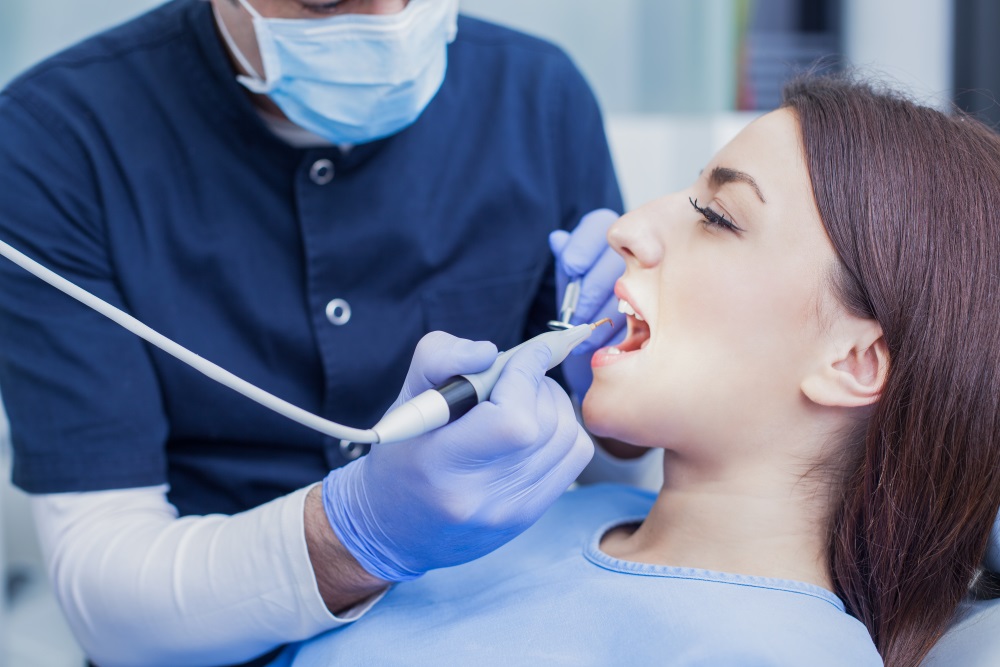
 Why we care

Why does a relationship matter? 


Dental care is based on a good dentist-patient relationship. Since the vast majority of patients are not practicing clinicians themselves, it is required they put their trust in their dentist and know that the recommended treatment plan is necessary and not offered solely as a way to ensure a higher bill at the end. We are all skeptical beings. If you do not explicitly trust us, then we will never have a true and transparent relationship. 


That’s why it’s our mission to build that trust! 


Communication is key 


You’ve heard this before from friends or family, but we can’t read your mind. If you are anxious, in pain or worried about the cost of a procedure, bring it up to us. Having these conversations will held deepen our relationship and build a trust between both of us. 


There is no question too dumb and no request too steep. If you’d like to set up a conversation before you’re locked and loaded in the chair, that’s fine, too! Comfortable dentistry is a term we like to use at our office, and it means that we’re willing to “meet people where they are” emotionally and physically. 


Some of our favorite patients have special needs or require special accommodations. We are happy to work with you on ensuring that your visit is pleasant and quick! Please call our office to schedule a time to talk to Dr. Ku. Patients are his number-one priority, and we want everyone to feel valued and respected! 


Reliability  


Finally, having a long-term relationship with your dentist means that in the event of a dental emergency you know exactly who to call. We have all your records and know right off the bat about any allergies or medications that we need to take into consideration. This also goes for our office staff. If you have a long relationship with our staff, they can easily work with you on scheduling future appointments and know the quirks of insurance that might have caused you issues in the past. 


We want all of our patients—past, present and future—to know that they are welcome in the Ku Family. We work hard to build relationships with each of our patients. We hope that our approach to comfortable dentistry invites in those who have previously been fearful of the dentist. All of that means that we ultimately want everyone to have the benefit of a healthy smile, and we are dedicated to getting everyone North Texas there! 

The post Why Dr. Ku’s Office Cares appeared first on Fort Worth Dentist | 7th Street District | H. Peter Ku, D.D.S. PA.

Monday, 11 June 2018

Stop Oral Cancer

Whether in our own bodies or in someone we love, cancer has affected nearly all of us. Whether personally or a friend or family member, it is a cruel disease. When you go to the dentist, did you know that we’re looking for more than just your adherence to a good flossing regime? On top of traditional dental issues, Dr. Ku is also screening you for oral cancer. 


Oral cancer includes all cancers in the mouth and at the back of the throat, and account for nearly 3% of all cancer diagnoses each year. Knowing what to look out for and catching it early are crucial to help better your chances of beating it. If you have any concerns or are exhibiting symptoms, please call your general practitioner or Dr. Ku today. 

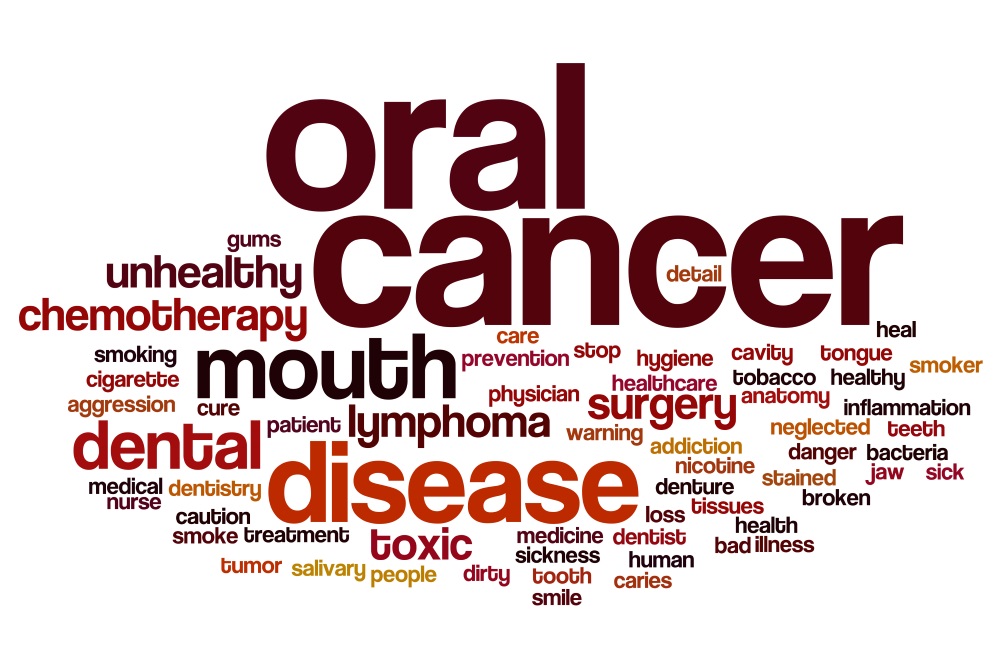
 Stop oral cancer

Causes 


Men are twice as likely as women to be diagnosed with oral cancer. And most diagnoses occur in those over 40 years old. While cancer can affect anyone at any time, there are certain lifestyle choices that lead to a higher incidence rate. For example, tobacco users of any kind are at a higher risk of developing oral cancer. In combination with alcohol, the prevalence rate increases exponentially. Individuals exposed to the human papillomavirus (HPV), specifically HPV type 16, also have a higher chance or being diagnosed with oral cancer. And finally, excessive sun exposure can cause cancer of the lips, which is another form of oral cancer.  


Symptoms and diagnosis  


The signs of oral cancer can imitate those of a variety of different illnesses, which is how it’s often ignored or confused for other things. From a sore throat to an ear infection, oral cancer can feel like other ailments you’ve experienced a thousand times before. Due to this, some people delay in seeking treatment since they think it will get better on its own. In other cases, the signs can be seen but have no physical pain or discomfort accompanying them. Most commonly, the cancer causes sores or thick patches in our mouth, lips or throat that are red and white in color. Patients don’t know what to think. 


Since catching oral cancer can be difficult, it’s important that you visit your dentist regularly so that an oral cancer screening can occur. These screening are quick and painless—so much so that patients didn’t even realize it’s part of their standard check-up. And ultimately, a visit to the dentist could save your life. 


Treatment options 


If cancer is suspected, your dentist will refer you to doctors who specialize in the treatment of oral cancer. This includes ENTs, head and neck surgeons and oncologists. When oral cancer is caught early, radiation or chemotherapy in combination with surgery is the most common treatment plan. If the cancer is detected later, radiation in combination with chemotherapy is commonly prescribed. Like many other types of cancers, the treatment is dependent on your overall health and the progression of the disease.  


Throughout the course of treatment, it’s important your cancer team stay in contact with your dentist. Treatments can cause lateral damage to the teeth, so continuing your bi-annual visits is extremely important.  


Oral cancer left unchecked can quickly spread. If diagnosed in late stages, the disease can be life-threatening. Oral cancer that is found late has normally metastasized, which means cancerous cells have entered into other regions of the body. One in four individuals who suffer from oral cancer will die due to delayed diagnosis and treatment.  


These alarming statistics should encourage you to make an appointment with Dr. Ku today for your regular check-up and oral cancer screening.

The post Stop Oral Cancer appeared first on Fort Worth Dentist | 7th Street District | H. Peter Ku, D.D.S. PA.


Monday, 4 June 2018

Why We Use Sedation Dentistry

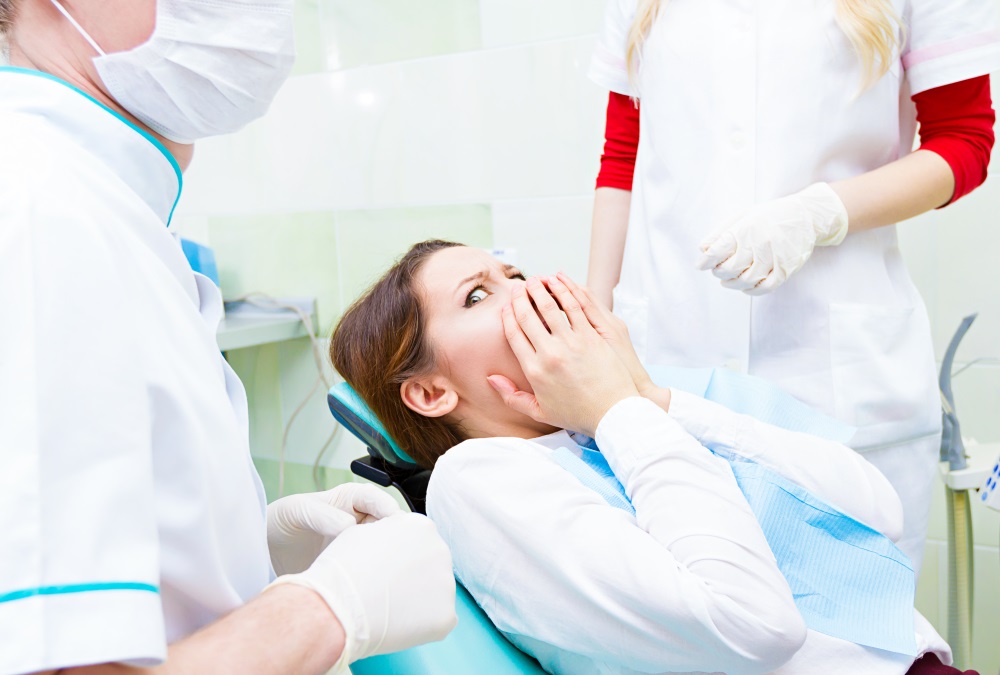
Does your dental anxiety keep you from visiting the office? More than 15%—or 30 million Americans—admit to avoiding the dentist due to varying degrees of fear. Unfortunately, many times when patients avoid the dentist for long periods, the amount of work needed to get their mouth back into good shape requires several more intensive visits. 


For those with a demonstrated anxiety about going to the dentist, it can be too much for them to handle. For some patients, the fear stems from appointments when they were children, or from a single traumatic moment; for others, it can be a generalized anxiety. 


If you’re able to identify with these feelings, or you can admit to skipping years of dental appointments, the experts at Dr. Ku’s office want to help you! Through the practice of sedation dentistry, Dr. Ku is able to remove anxiety completely from the appointment and leave you confident and secure about your dentist visits. 

 What is sedation dentistry

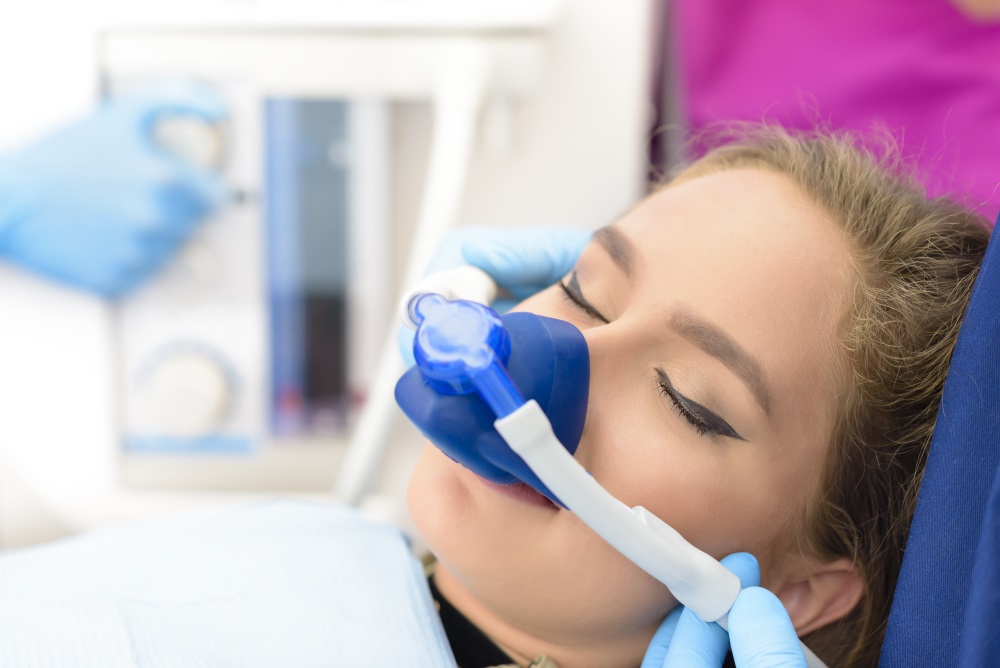
Sedation dentistry  


Let’s back up. What exactly is sedation in dentistry? This is a common question asked by our patients. Each form of sedation works a little differently, but they all work overall with the brain and nervous system to reduce fear and anxiety while many times blocking out any memories of the event. Many patients report feeling a sense of deep relaxation throughout the appointment. There are three common types of sedation commonly used in dentistry. They are: 


  1. Nitrous oxide or laughing gas: This is the mildest form of sedation and generally leaves patients feeling relaxed or euphoric.
  2. Sedative pills: This includes prescription medication like Valium or Xanax. If you choose to go this route, it’s important you discuss it with your dentist and only take the recommended dosage.
  3. Intravenous sedation: This is the most invasive option which is normally reserved for complex oral surgery. 


Benefits  


The benefits of sedation density are why we choose to use it at our practice. In order to combat tooth decay and gum disease—or identify even larger issues such as oral cancers—patients must be willing to come to the office and sit in the chair. If fear is what’s stopping them, then it’s crucially important to eliminate the fear. Sedation dentistry allows for us to do that. 


Besides general anxiety, many of our patients are concerns about their gag reflex. When under sedation, patients lose the fear of choking or gagging. This allows them to relax and even nod off to sleep. I bet you never thought you would get to catch a few zzz’s at the dentist office! 


For dentists, sedatives can allow us to perform multiple procedures in one appointment, too. The ability to perform more work at once prevents anxious patients from having to come back multiple times. 


Finally, sedation dentistry is helpful for those with special needs. Many times, the bright lights, loud noises, and foreign smells can be too much for some of our patients. Through sedation dentistry we are able to make an environment that is comfortable for everyone.  


Continuing education  


All of our practitioners continue to pursue cutting-edge advancements in our field. This includes participating in continuing education classes that allow us to be on the forefront of the sedation dentistry field. We believe that our knowledge of sedation dentistry is beneficial to all of our patients and will also encourage those who have been avoiding care to find a way to visit the office. If you are anxious or have been avoiding care due to fear, please call our office today. We can walk you through your options!

The post Why We Use Sedation Dentistry appeared first on Fort Worth Dentist | 7th Street District | H. Peter Ku, D.D.S. PA.


Monday, 28 May 2018

Dental Care and Latex Allergies

Most of us have or are close to someone with any allergy. Many allergies are commonly food-related, like nuts, dairy or eggs, but others range from environmental triggers like grass, pollen or ragweed, to man-made substances such as latex. A latex allergy affects between 1-6% of the general population; however, health care workers who are exposed to latex regularly report a higher occurrence of the allergy. If this is something you haven’t heard about, you aren’t alone. Keep reading to learn more about latex allergies and how it affects your trip to the dentist!

 Latex gloves in dental care

What is a latex allergy? 


A latex allergy is the result of certain proteins found in the natural rubber latex reacting poorly to your skin. If you have the allergy, your body mistakes this product as a foreign invader and works to fight it off. This can cause a reaction that results in itchy skin, hives, or serious life-threatening issues like anaphylaxis. 


The exact cause of latex allergy is unknown, but repeated exposure to latex and rubber products is thought to trigger symptoms. Understanding and knowing the basics of a latex allergy will help you be able to identify symptoms and guide you in seeking help. Naturally, this comes into play in the dentist office, with latex gloves and other products in regular use. That’s why we’re extra equipped to help you identify next steps. 


Whos at risk? 


Individuals in the health care industry are almost twice as likely to develop a latex allergy as the general population. In addition to those in health care, other workers like those in food preparation or technicians that are commonly exposed to latex have just as high of a risk. Many of these allergies develop after wearing and being exposed to latex for some time. Most reactions occur within minutes of exposure; however, it is possible for a delay onset of symptoms up to almost two days after contact is made. 


If you are diagnosed with a latex allergy by your doctor, it’s recommended to look for products that are labeled as “not made with natural rubber latex.” The FDA warns that there is no product that is truly latex free since they have not found any product that does not contain at least some natural latex rubber proteins. 


I have an allergy—now what? 


If you have a latex allergy, going to see your dentist can be anxiety inducing due to the dental use of latex. It is important to call your dentist prior to your appointment so the office can follow their latex-free protocol. It’s important to give them as much notice as possible to ensure all surfaces you will come into contact with are sanitized. Since there is no cure for a latex allergy, the best option is prevention. In addition, wear a medical alert bracelet to let others know about your allergy even if you aren’t able to.  


Isn’t latex in everything? 


If you are allergic to latex, there is a strong possibility you’re allergic to other things as well since these proteins are widely found in other products. Similar proteins found in latex are also found in avocados, bananas, chestnuts, kiwis and passion fruit. Also, it’s important to refrain from touching products that have latex in them like dishwashing gloves, balloons, rubber toys, erasers, and swim goggles. If you suspect an allergy, it’s important to get it diagnosed, since latex is such a prevalent component of products on the market today. 


If you have a latex allergy, or even just a sensitivity, call our office today. We will be happy to walk through our protocol with you and ensure you visit to our office is safe!

The post Dental Care and Latex Allergies appeared first on Fort Worth Dentist | 7th Street District | H. Peter Ku, D.D.S. PA.



Monday, 21 May 2018

Your Other Floss Options

How many of you remember the show Supermarket Sweep? If you were told to scour the grocery store aisles in search of interdental cleaners, would you know what you were looking for? 


Even without the pressure of television cameras or a countdown clock, interdental cleaners could stump even the savviest shopper. On the other hand, if you were asked to look for dental picks or floss, our guess is that you would know exactly where to go. 


Well, you guessed it, interdental cleaners describe a category of tooth cleaning products that help remove debris and plaque that collect in between your teeth. Keep reading as we unpack these devices and highlight their effectiveness in doing the job of keeping your teeth clean! 

 Other floss options


Examples of interdental cleaners  


While the vast majority of the population brushes their teeth twice a day (or so we like to think), it’s still somewhat shocking that less than 40% of people admit to flossing once a day, with 20% of people admitting they never floss at all. If you are only brushing, you’re only getting your teeth 60% clean. Ask yourself, why would you only bathe half your body? 


Flossing is a vital component to your oral health routine. When picking dental floss, it’s important to pick a product that is most comfortable to you and that is easy to use. In other words, pick whatever gets you to feel more inclined to do it. If flossing is a struggle, you’re more likely to skip it in your daily routine. 


The main difference between traditional stringed floss types is whether it’s waxed on not. Waxed floss can easily slip between the teeth and is something usually flavored with mint. Floss picks are another option. Unlike stringed floss, a roughly ¾-inch stretch of floss is strung like a harp onto a plastic, handheld device. While easy to handle, some dentists are afraid they aren’t as good at removing plaque, since it’s difficult to complete a “C” around the tooth to completely clean it. You probably hadn’t stopped to think about this before, but the ability to curve the floss around each tooth is one of the important dental floss tricks! 


Nonetheless, the reasons to use interdental cleaners are still many. Keep on reading to learn our top five reasons to hit this shelf at the store the next time you shop! 


Top five reasons to use interdental cleaners  


  1. Prevents tooth decay: Tooth decay is totally preventable. And, left unchecked it can cause pain, infection and even tooth loss. Flossing helps prevent decay by removing hard-to-reach particles of food and plaque that brushing can leave behind. Prevention is key, and flossing is an essential element.
  2. Prevents plaque buildup: Plaque moves fast and can start affecting teeth just hours after eating. Plaque hardens in 48 hours and is then firmly stuck on your teeth. Skipping a few days of flossing can be incredibly detrimental, and a professional cleaning would be needed to get all the hardened plaque off.
  3. Helps prevent gum disease: Even the best of tooth brushes can’t reach in between all of your teeth. Plaque can build up settle on your gum line and between teeth, and create a bacteria that can harm your gums. If that doesn’t make you want to floss, the bacteria can also affect the gum tissue and bone that support your teeth. This can lead to loose and falling-out teeth.
  4. Keeps your whole body healthy: Studies have shown a link between gum disease and heart attacks and strokes. It’s thought that since gum disease is caused by bacteria it can enter your bloodstream, and where they attach to the fatty deposits in the blood vessels they end up causing bigger problems. This can cause blood clots and may lead to heart attacks.  In the absence of gum disease, scientists have found, there is actually less bacteria in the heart.
  5. Prevents bad breath: Bad breath is normally caused by your teeth, tongue or gums. Small pieces of food can become lodged between your teeth, and over time breed bacteria that omits odoriferous gasses (this means the stinky kind). In addition to flossing to remove the food particles, drinking lots of water will also help you keep bad breath at bay.   

The post Your Other Floss Options appeared first on Fort Worth Dentist | 7th Street District | H. Peter Ku, D.D.S. PA.


Monday, 14 May 2018

Your Risk Assessment For Cavities

If you were asked to name the most common chronic disease found in children and adolescents, what would you guess? Asthma or diabetes? Or maybe cerebral palsy? While all of those conditions rank high on the list, the number-one chronic childhood condition—four times more prevalent than asthma—is tooth decay. And it’s not only in children! Nine out of 10 adults have some degree of tooth decay. And, as you know, tooth decay and cavities go hand in hand; therefore, it’s important to know how at risk each of us are for developing cavities.


Follow along as we offer a simple cavities risk assessment so you can know if you’re in danger of developing cavities! 

 Risk assessment for cavities

Your risk assessment  


Answer in a yes/no format: 


  1. Have you visited the dentist in the past twelve months?  
  1. Do you brush your teeth at least twice a day?  
  1. Do you floss your teeth after every brushing? 
  1. Do you use a fluorinated tooth paste?  
  1. Do you avoid sugary foods or soft drinks?  
  1. Do you chew sugar free gum?  
  1. Do you mouth feel dry or feel like you lack saliva? 
  1. Have you had sealants places on your teeth? 


If you answered no to more than two of the cavities assessment questions above, then you are at an elevated risk for developing cavities. It’s important to review your oral health and dietary habits to ensure your teeth are protected from decay. 


Background on tooth decay  


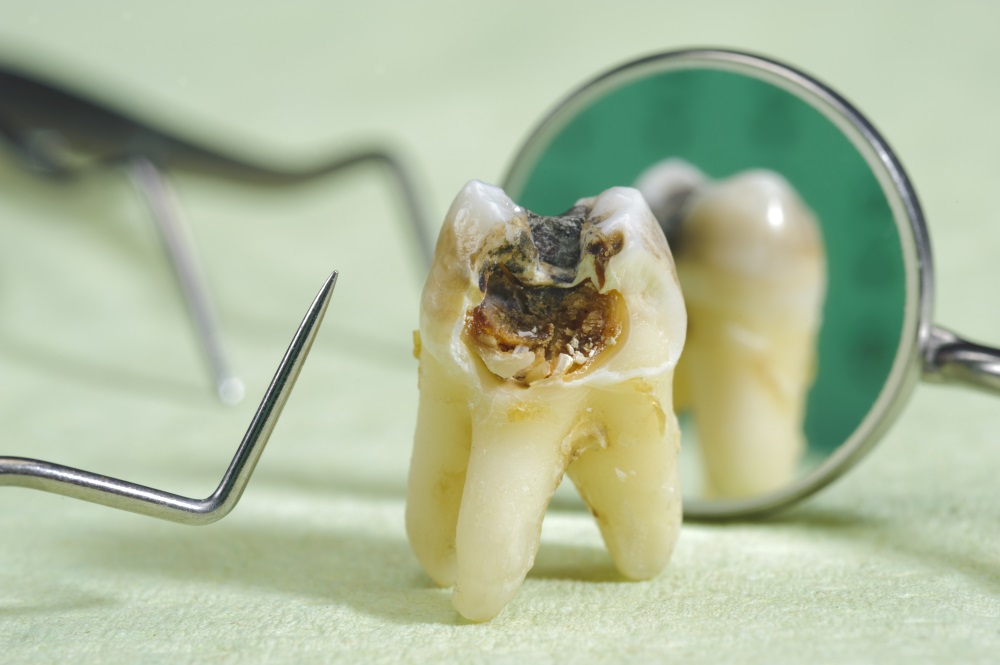
Tooth decay affects 97% of the population worldwide at some point during their lifetime. Tooth decay can destroy enamel on the surface and then the hard dental tissues below. Aggressive decay can be detected by a simple visual exam while less acute cases are found through the use of an explorer or ball-tipped probe. The severity of tooth decay is measured on a patient-by-patient basis using a methodology that takes each person’s unique dental history into consideration. The outcome of the assessment guides the dentist in creating a treatment plan. 


What stuff really increases risk? 


As you might have noticed from the risk assessment above, there are many characteristics that increase the possibility that your teeth might suffer decay. These include: 


  • Consuming sugary foods and drinks 
  • A prevalence of tooth decay on your maternal side of the family 
  • Special health care needs such as developmental, physical, medical or mental disabilities 
  • Chemotherapy or radiation  
  • Severe dry mouth  


Patients who meet the criteria for being deemed high risk are encouraged to minimize sugar intake and be cognizant of limiting the acid in their diet to prevent the erosion of enamel. In addition to following optimal oral hygiene practices that include brushing at least twice a day followed by flossing, patients should consider other preventative treatments such as fluoride applications. Finally, filling in the grooves of your teeth with sealants can prevent food from becoming lodged in these areas (which can create tooth decay). 


If you’re concerned that you might be considered high risk for tooth decay and cavities, it’s important to discuss this with your dentist at your next appointment. Tooth decay can lead to an array of other health issues that affect all systems of your body, so it’s important that you call us today about any concerns you might have!

The post Your Risk Assessment For Cavities appeared first on Fort Worth Dentist | 7th Street District | H. Peter Ku, D.D.S. PA.


Monday, 7 May 2018

What’s In The Water?

How often do you think about what is in your tap water before you drink it? Most of our drinking water is drawn from reservoirs like the one at Lake Ray Hubbard, Lake Lewisville, or Lake Grapevine. 


In addition to natural minerals found in our water, fluoride is added to our water system. To keep our drinking water safe and to harness the natural benefits, it takes a significant amount of science and technology to meet today’s expectations. Thanks to this, our drinking water is not only able to help nourish our body, but protect our teeth as well! 


Keep reading to find out how fluoride has changed history and the benefits it has for our teeth!  

 Fluoride in the local water?

History of water fluorination  


The initial study of fluoride in water occurred in the early 20th century in Colorado. These early studies that were spurred by most residents having brown stains on their teeth, which created a groundswell in research on the correct levels of fluoride in water. Through this study dentists and researchers were able to identify how fluoride in the water effects the teeth along with the adverse effects of too much fluoride (leading to brown stains). 


Subsequent studies were built on the early research to test the hypothesis that correct fluoride levels in the water were beneficial to oral health and helped prevent cavities. Working with the U.S. Public Health Service team, researchers published studies confirming that fluoride was beneficial to long-term oral health. These early studies that compared cities with fluoride in the water to cities without prompted Grand Rapids, Michigan to be the first city in 1945 to add fluoride to the water for the dental benefit. 


Since 1945, hundreds of cities have started community water fluoridation, and in 2012 nearly 75% of the United States served by community water systems had access to fluoridated water. Because of its contribution to the dramatic decline in tooth decay over the past 70 years, the CDC named community water fluoridation as 1 of 10 great public health achievements of the 20th century. 


Unfortunately, over 100 million Americans still do not have access to water with fluoride. Since it is so beneficial (saving teeth and money), the U.S. has made it a goal to have 80% of all American households have access to fluorinated water by 2020. 


How does it work? 


While all water contains some fluoride naturally, in most instances it’s not enough to prevent cavities or to provide an oral health benefit. Bad bacteria in the mouth produces acid, which can cause tooth decay or other oral health problems. Fluoride acts as a barrier and strengthens the tooth enamel. To that end, water fluoridation prevents tooth decay by providing frequent and consistent contact with low levels of fluoride. By keeping the tooth strong and solid, fluoride stops cavities from forming and can even rebuild the tooth’s surface. 


Guidelines for water fluoridation  


In 2015, the federal government revisited the guidelines for the levels of fluoride to be included in water. The level was lowered from 1.2 milligrams per liter to .7 milligrams per liter. This change was made to account for the growing number of cases of fluorosis and as a result of Americans receiving fluoride from a variety of sources—not just drinking water. If you’re curious about the levels of fluoride in your drinking water, the Centers for Disease Control and Prevention releases a list that your explore 


If you are concerned about what is in your drinking water (both fluoride levels or other natural minerals) then give our office a call today. Dr. Ku will be happy to review local water reports and analyze the data for you.

The post What’s In The Water? appeared first on Fort Worth Dentist | 7th Street District | H. Peter Ku, D.D.S. PA.


Sedation Dentistry – Your Ultimate Guide

There are a number of reasons that adults —grown adults—avoid trips to the dentist.     According to the American Dental Association, o...