Monday, 26 March 2018

The Whacky Uses For Toothpaste You’ll Love…

If you’re anything like us, you love products that have multiple uses. Baking soda can be used in cakes and as a household cleaning agent; left over tea bags can remove lingering bad odors; and toothpaste can be repurposed for a variety of household uses from cleaning shoes to removing lipstick stains! 


While we always prefer you use your toothpaste first and foremost for brushing your teeth, it is helpful to have it around in a pinch when you’re faced with unexpected water rings or even dirty piano keys. Below are some of our favorite alternative use of toothpaste. 
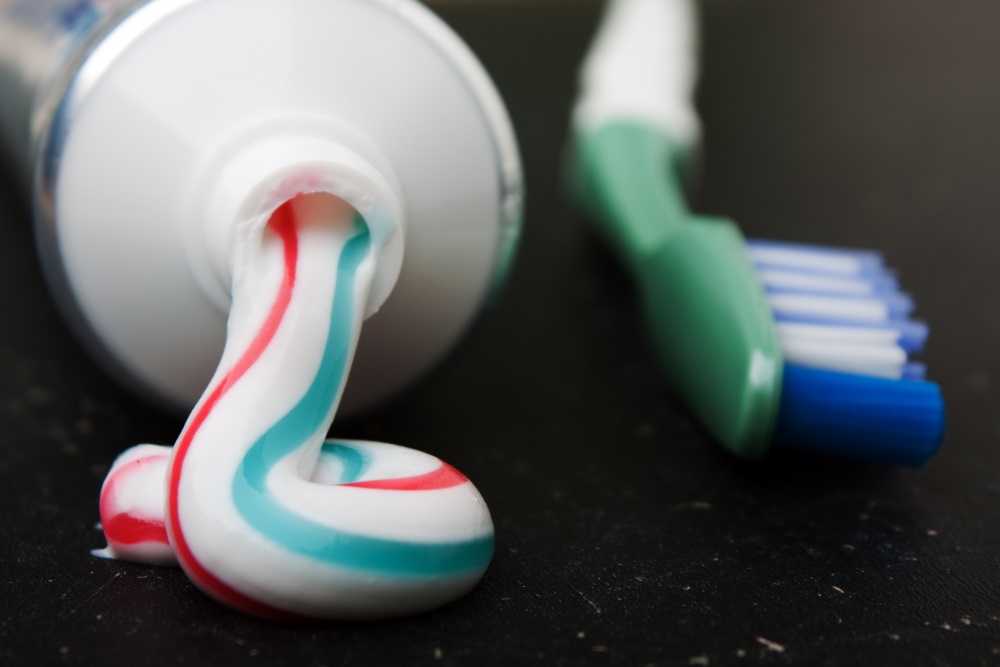
 What else can you do with toothpaste?

Stain removal 


While your little Renoir might have been making memories by coloring on the walls with crayons, you prefer their canvas to be a little more disposable. Instead of heading to the hardware store to buy more paint (which is both expensive and time consuming), try using toothpaste first. The original white paste can be applied to a rag and used to remove any stains—or artwork—from the wall. You will have to vigorously scrub the wall; however, with a little elbow grease, the abrasives in the toothpaste will rub away the crayon over time. Wash the wall with water after you are done.  


Using toothpaste to get rid of stains on clothing is another alternative use of toothpaste. The efficacy of this hack really depends on the fabric. For finer fabrics like silk or cashmere, you are better off taking it to a dry cleaner. However, if you’re in a pinch at work or out on the town, putting toothpaste on the stain and rubbing the fabric together can lessen the impact. 


Finally, for water rings left on wooden furniture when a guest forgets to use a coaster, a non-gel toothpaste can be gently rubbed on the wood. Once it dries, use a damp cloth to remove the toothpaste. Finish off with a fresh coating of furniture polish.  


Hygiene  


The same cleaning power that makes your teeth white and shiny is also can help disinfect your hands. If you have been working on your car or dealing with chemicals that leave a lingering and potent smell, wash your hands with toothpaste to rid yourself of the odor. This is one use where we suggest using a mint flavored paste! 


And how much money have we all spent on pimple creams over the years? Instead of breaking the bank to clear up problem spots, dab non-gel, non-whitening toothpaste on the pimple. The chemicals will dry up the pimple and absorb the oils in the surrounding skin. This could result in mild irritation for those with very sensitive skin, so we would suggest going slowly and using a small amount at first.  


Other creative uses 


What do piano keys and leather boots have in common? Toothpaste can be used to buff out scuffs and stains on both! Squirt toothpaste onto a damp cloth and gently rub the scuff off. Use a damp cloth to remove any additional residue thereafter. 


In addition to ridding your hands of foul smelling odors, toothpaste can rid baby bottles of that spoiled milk smell. When cleaning the bottle, put toothpaste on the end of the bottle brush, scrub with water, then rinse thoroughly. The toothpaste will breakdown the bad smell and leave the bottles smelling fresh.  


Finally, toothpaste can be used to prevent goggles and scuba masks from fogging while you are swimming. Fogged goggles can be dangerous, especially if you’re deep scuba diving. Many times, goggles fog due to the protective coating used on the glass. By dabbing toothpaste on the lens and rubbing vigorously, you will remove some of the film and decrease the likelihood of fogging.  


Toothpaste can be a valuable and cost-effective tool to removing onerous stains. Leave a comment if you find any other creative uses!

The post The Whacky Uses For Toothpaste You’ll Love… appeared first on Fort Worth Dentist | 7th Street District | H. Peter Ku, D.D.S. PA.



Thursday, 22 March 2018

Tax Season Adventure Savings

It’s tax season and for those of you who filed and may unexpectedly OWE the IRS this year, it can be a sticker shock that throws a monkey wrench in your plans for travel and adventure. It can be frustrating to sit at home and work on saving money instead of getting out and experiencing all the metroplex has to offer. 


Or is it? One of the great things about living in the Fort Worth, TX area is the number of cheap or free activities and sites available. We all want to save money and have fun, and thanks to our list below now you can do both! We’ve outlined some of the best places to visit that will fill your day while also helping you meet your financial goals!  

 Cheap and free adventures around Fort Worth

Get outside 


  • Klyde Warren Park (free): This park is next door in downtown Dallas and hosts a variety of free and cheap activities every day. Simply visit the park and enjoy the playgrounds or picnicking in the wide-open spaces or take part in free classes like tai chi or yoga. There’s an online calendar to help you decide when to go. 


  • Fort Worth Stockyards (free): Put on your cowboy boots to watch the twice daily cattle drive at both 11:30 am and 4 pm. After the drive the steers are available to be seen in their pens at the Livestock Exchange Building, too. 


  • Little Elm Sandy Beach (free): Our metroplex may be landlocked, but that doesn’t mean you can’t find some sand and water and pretend you’re in the Bahamas. The Little Elm Sandy Beach is on the shore of Lake Lewisville and features playgrounds and sand volleyball courts. Don’t forget your sunscreen! 


Have fun 


  • Sandy Lake Amusement Park (cheap): If you are looking for a fun time, but not break the bank at a huge amusement park, then check out Sandy Lake. For only $2 you can get in, and tickets to ride rides are only 50 cents each. This is the ultimate old-fashioned fun!  


  • DART (cheap): Jump on the DART rail and ride it around. Those with younger children who are in the transportation-loving phase can easily make an afternoon of riding around. Hop on and off to experience the Metroplex like a tourist.  


  • Bass Pro Shop (free): We have all gone to Bass Pro Shop to drool over the boats and outdoor gear, but if dropping lots of money is out of the questions look into the free kids’ events. Kids can fish in the store pond and watch employees feed the fish, too.  


For the adults 


  • Franconia Brewing Tour (cheap): Tour the Franconia Brewing Co. in McKinney to get an up-close look at the family brewing business and taste some of their beers along the way. Public tours start at 11am! 


  • Topgolf (cheap): If you hit the links before 6pm, you and friends can golf for only $20 an hour. This is a fun place to hang out and let out your inner competitiveness! 


Don’t let your planning for a strong financial future make you feel like you have to stay inside and not experience all there is to do around Fort Worth this spring. With warmer weather upon us, there is no shortage of activities or adventures to find. Keep us at Dr. Ku’s office updated with other frugal finds in the area, too! 

The post Tax Season Adventure Savings appeared first on Fort Worth Dentist | 7th Street District | H. Peter Ku, D.D.S. PA.



Monday, 19 March 2018

What A Sore Jaw REALLY Means

Jaw pain can be both severe and come out of the blue. The pain can be debilitating and lead you to have trouble eating, sleeping, and carrying on with normal daily activities.


While you may assume that jaw pain is directly caused by your teeth, the truth is that the pain can originate from a variety of issues that range from sinus infections to bad bites.


Jaw pain that comes on suddenly can be alarming and causes many people to automatically assume the worst. While in rare circumstances the jaw pain can be a result of something catastrophic like cancer, the most common causes are easily fixable if you seek care. Follow along as we outline common causes of jaw pain and how urgently you should seek care!
 What DIDN’T you know about the jaw?


Jaw injury


A jaw injury is one of the most frequent emergency calls we receive. Just like an arm or a leg, your jaw is a set of bones that can become fractured or broken due to blunt trauma. If a fracture or break occurs, there can be significant bruising and swelling combined with pain and difficulty opening the mouth. If a break is suspected, it’s important to seek care immediately. An x-ray will be taken and an assessment of the of your teeth will also take place. Doctors may be able to set the jaw right away—normally under anesthesia to control pain. However, in some circumstances surgery may be required to repair the damage.


Jaw joint pain


Another common cause of pain is when the temporomandibular joint, a joint that hinges your jaw to your skull, has developed an irregularity. Sometimes referred to as TMJ disorders, the exact cause of this pain is not always known. Some believe that the pain can be linked to genetic predispositions, while other experts think the pain is linked to a higher propensity to arthritis or other joint diseases.


Those who suffer from TMJ disorders identify pain under the jaw, or aching facial pain, and difficulty chewing. If symptoms persist it’s important to seek care to discuss your treatment options.


Other causes of jaw pain


There are numerous other causes of jaw pain that result from small issues like bad bites to more severe issues like teeth grinding. When you sleep, for example, you put a significant amount of pressure on your jaws. If your teeth are not aligned properly then the muscles surrounding the jaw can become inflamed and nonalignment can cause teeth to wear unevenly.


Bad alignment is also sometimes the result of teeth grinding. While teeth grinding is common in children, it can be bad for your teeth as an adult. Many patients grind their teeth in sleep unconsciously. High stress situations or when lifting heavy objects, patients also grind or over-clench their teeth. These things commonly lead to jaw pain, but the good news is they can be easily addressed by your dentist.


Another common cause of jaw pain is the result of an infection in your sinus cavity. The cause of the pain is due to the pressure from your sinuses being blocked, the swelling, or the infection moving to different areas. Ear infections can also cause jaw pain. The fluid from the ears can cause the inner ear to swell, which results in pressure being placed on the jaw.


Finally, an abscessed tooth can also lead to significant jaw pain. No matter where the tooth is located along the jaw line, it can cause a lot of pain. If you suspect this is the cause of your discomfort, it’s important to call us to have the situation addressed.


Jaw pain can be jarring and disruptive of your daily life, not to mention nerve wracking if you don’t know what’s causing it. If you are concerned about acute or lingering pain, it’s important to seek treatment and call Dr. Ku as soon as possible.

The post What A Sore Jaw REALLY Means appeared first on Fort Worth Dentist | 7th Street District | H. Peter Ku, D.D.S. PA.


Monday, 12 March 2018

Do You Know The Causes of Losing Teeth?

Have you ever had the dream that all of your teeth are falling out one by one? The feeling that you no longer have teeth can be frightening and lead you to wonder what actually causes toothlessness, and if you could be at risk. For those curious sorts, the recurrent dream of losing your teeth is believed to be caused by anxiety over upcoming changes. Many times, you have the dream before a change in job or before welcoming a new baby into your family. While the dreams may be disconcerting in the moment, you still wake up in the morning with the teeth you had the night before. 


For those who do deal with toothlessness, their daily oral care can be more complicated than the average patient. We’re going to walk you through the basic forms of tooth loss, oral care and your high-tech dental options to restore that smile no matter the case. 

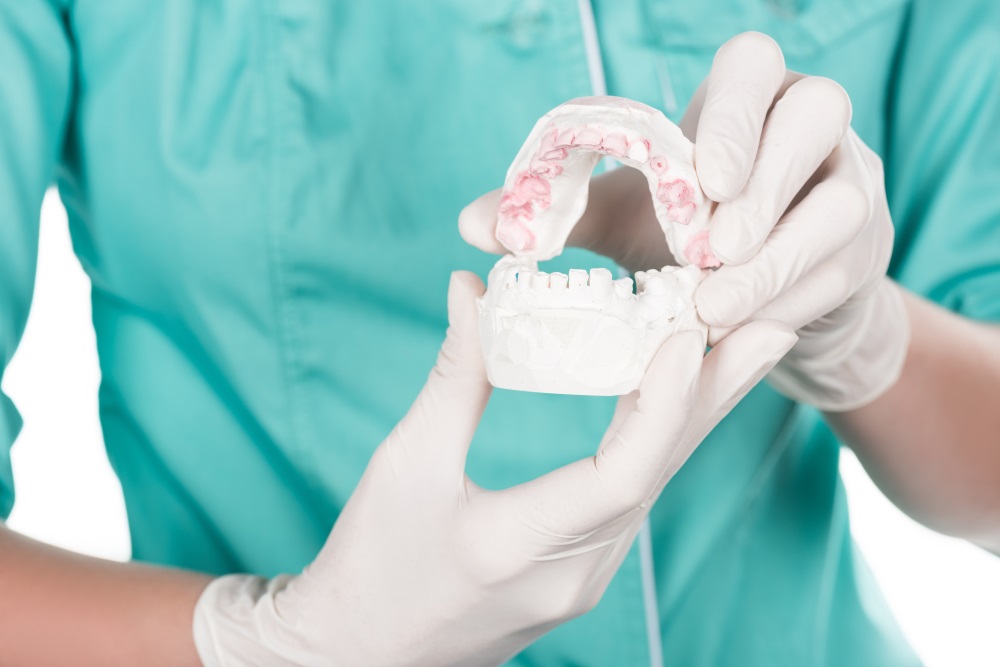
 Do you know the causes of losing teeth?

What causes tooth loss and who is affected? 


Tooth loss is most prevalent in older patients, however young people can be affected as well. Poor oral hygiene is the most common cause of tooth loss. But why? 


As a result of poor daily oral care, cavities and gum disease are more likely to develop. Cavities occur when tooth decay begins and when plaque isn’t properly removed from the surface of teeth. The plaque eventually begins to weaken the tooth and eat away at the enamel. Once the enamel is gone, a hole can develop that eventually grows down to the root. And when the root is impacted, it can cause the tooth to loosen and eventually fall out. 


Gum disease is another leading cause of tooth loss as well. Just like with cavities, gum disease begins with plaque that is not cleaned away. Everyone’s mouth contains bacteria. While some is normal (and, in fact, necessary), there are some strains of bacteria that are bad. If these bad bacteria infiltrate your gum line (that has already been weakened by plaque), it can affect your jaw or other bones in the mouth. Unlike a cavity that can be painful, many times gum disease can go unnoticed. By the time it is identified it could be too late to save the tooth. Since gum disease can sneak up on you, it is important to look out for symptoms that include: swollen gums, soreness, gum recession or abscessed gums.  


In addition to cavities and gum disease, smoking increases the risk of tooth loss due to a spike in gum disease. And how’s that happen? A combination of decreased oxygen levels in the blood and more-than-average bad bacteria increase the risk of infection and makes gums take longer to heal. 


Poor nutrition and certain medication or drugs are also causes for tooth loss. But eating too much sugar is the number-one cause of tooth decay. Also, medications (and illegal substances) trigger tooth loss since side effects of medication can cause a decrease in saliva, which spurs bad bacteria growth.  


Finally, tooth loss can also be caused by injuries. From getting knocked in the mouth by a foul ball to biting into something hard the wrong way, teeth can easily become chipped or loosened.  


Options after tooth loss 


If you are experiencing tooth loss then you’re probably thinking about how a dental implant could help. Dental implants are natural looking and as stable as natural teeth, so you can be confident when eating and talking. Technological advancements have moved this 1960s technology far into the future. Titanium dental implants are now used because the metal has been proven to be compatible with tissues in the body, and will actually help the bones to heal around the new implant. Dental implants are a safe and easy way to replace missing teeth, and almost everyone is a candidate. 


Tooth loss can be devastating since your smile is what helps boost your confidence and get you through the day. If you have experienced tooth loss and are hoping to restore your smile, then call us at Dr. Ku’s office to discuss options for dental implants. These implants are sure to transform your smile, increase confidence, and boost your morale.

The post Do You Know The Causes of Losing Teeth? appeared first on Fort Worth Dentist | 7th Street District | H. Peter Ku, D.D.S. PA.


Monday, 5 March 2018

That Awful Taste In Your Mouth

We’ve all been there, whether it be after a meal or just a cup of coffee…you have a lingering bad taste in your mouth. In the perfect situation you would be able to immediately brush your teeth. Unfortunately, we are cognizant that sometimes it is just about impossible to do that. 


Or, how about those times that—for no apparent reason you have weird taste in your mouth that comes and goes? Is this something you should be worried about, or could it be a sign of a larger health issue? 


We will demystify the taste buds and hope to bring clarity on the root cause of the what you are tasting in your mouth as well as offer solutions to this problem. 

 What’s that awful taste in your mouth?

Why am I tasting this? 


Our taste buds are actually clusters of bulbous nerve endings on the tongue and in the lining of the mouth that provide the sense of the taste. Just like we can taste delicious things like your mom’s chocolate cake, they also can serve as a source of discomfort when you experience lingering, bad tastes. 


Many of our patients describe the bad taste they experience as metallic or like they were sucking on a bunch of used coins. In many instances, this taste has hung around for days or even weeks. If this is the case, it is important that you give us a call since this can be a symptom of something more serious than just coffee breath.  


How is it diagnosed? 


If you have decided to come into the office to have this checked out, then you have taken the first important step. Too many times patients pop mints or gum to mask the issue instead of determining the actual cause. At your appointment your dentist will ask you basic health questions about what medications you are on and also take a look inside your mouth.  


Tooth decay and other periodontal diseases—such as gum diseases—are commonly the source of this unshakable bad taste. Infections in the gum line are usually the cause. Once that problem is remedied, most patients experience relief from the initial symptoms.  


Halitosis, more commonly known as bad breath, can also lead to bad tastes in the mouth. Traditionally halitosis is a result of poor oral hygiene. Food particles that are not properly removed from between the teeth and gum line cause a rotten taste to settle in your mouth. The first defense against this is good oral health.  


Could this be a result of something else? 


If you dentist gives you a clean bill of oral health, but the taste remains, then it is important to examine other factors. First, take a look at what medications you are taking. Many commonly-prescribed medications for conditions such depression or thyroid-issues can leave a metallic taste in your mouth. If the taste ever reaches the level where it is unbearable, talk to your doctor to see if there are other options available. 


Nasal problems such as recurrent sinus infections or allergies that cause severe postnasal drip also can lead to a bad taste in your mouth. The bacterial remains from the postnasal drip have an unpleasant taste. When they naturally drain into your throat you can taste it.  


Finally, acid reflux or other gastrointestinal issues that send acid back up into your esophagus and mouth can lead to problems. If you are suffering from this, it is likely your dentist has identified it due to the erosion of enamel due to acids. It is important you seek treatment to both get rid of the bad taste in your mouth, but also to protect your teeth from damage. 


What can I do? 


If you are desperate to get rid of the taste, there are many ways to cover it up. From mints to gum or teeth brushing with mouthwash, there are numerous options to choose from. However, masking the taste is only a temporary solution. It is important to figure out the underlying issue and treat it. Addressing the cause assures you are also addressing any other lingering health issues that could be at play. If you are concerned about an ongoing bad taste in your mouth, give us a call today!

The post That Awful Taste In Your Mouth appeared first on Fort Worth Dentist | 7th Street District | H. Peter Ku, D.D.S. PA.


Monday, 26 February 2018

The Natural Brushing Secret For Smiles and Smooches

Life these days calls for the multitasking. Whether you are parked waiting for a pickup and you quickly check your bank account or sending emails while in a waiting room, we are conditioned to maximize time and get as much done in a time efficient manner as possible. 


Have you ever thought about ways to clean your teeth while completing other tasks? What if we told you there are ways to naturally brush your teeth while you ate lunch or dinner? I’m sure your fist inclination is to say, “no way.” You’re supposed to brush your teeth after eating, right? Well of course, but there are foods that due to their crunchiness or fiber content act as a natural tooth brush. 


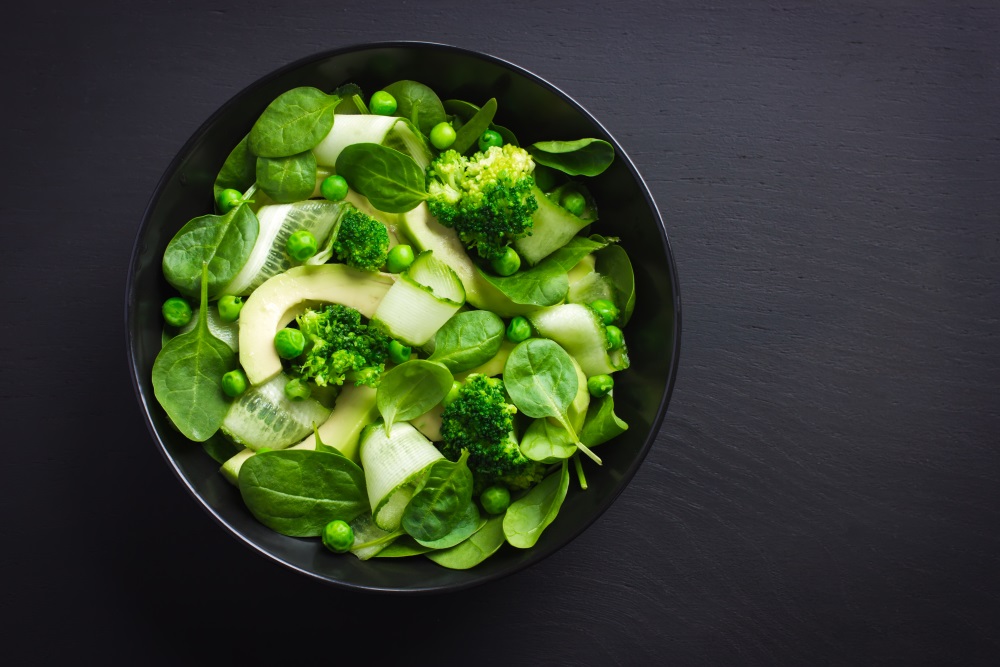
Raw fruits and vegetables are the most common example of food that scrub your teeth while you eat them, but what about meals? Is it possible to create dishes that boost oral health and fill your family’s bellies? We have a few suggestions below that will act both as a natural tooth brush as well offer a balanced an delicious meal.  

 Natural toothbrushes

Veggie stir fry 


While Chinese take-out is a universal favorite, it is also full of sodium, sugar and other chemicals that can lead to tooth decay. The crunchiness of raw carrots and celery helps rid your teeth of build-up plaque. Instead of eating them raw, consider cutting them into thin strips and throwing them on the stove in a stir fry. This dish is great for when you need to clean out your refrigerator and get use up vegetables before the go bad. Throw everything in the pan together and cook with teriyaki or soy sauce. Pair the veggies with rice or noodles to complete the meal. This dish is a crowd favorite and will give your teeth a natural teeth brushing. 


Besides, who doesn’t invite an excuse to eat stir fry? 


Chicken salad 


Homemade chicken salad is a simple dish to make if you’re expecting a large number of guests for lunch. To increase its tooth brushing qualities, add fresh apple and almonds. The water in apples combined with their crunchiness increases saliva production which helps to wash plaque and food articles from the teeth. Almonds, a high fiber and high protein food, are low in sugar and will help fill you up. This dynamic duo of almonds and apples will help build stronger and healthier teeth. 


Pizza 


I am sure the addition of pizza to the list is somewhat confusing on a list of healthy food options. However, if you top it with crunchy peppers and spinach your can turn this meal around. The crispness of peppers coupled by leafy greens will increase salvia production and help wash away food particle stuck in your teeth. Spinach, as well as cheese, is packed with protein which helps increase the enamel. Stronger enamel means healthier teeth that are more resistant to bad bacteria.  


Edamame  


If you are looking for a mouth-friendly appetizer when at a restaurant (or at home!), opt for edamame. This south-east Asian dish is an immature soy bean that you commonly dip in a soy sauce. To pop the bean out of the middle of the shell, involved place the whole bean in your mouth and slipping it through your teeth. Don’t let the complexity scare you. The sliding of the bean through your teeth will help dislodge food particles stuck along the gum line. Try this international dish next time you’re out! 


By choosing the right dish, you can help build strong and healthy teeth. Crunchy, fibrous food act as a natural tooth brush, while protein and dairy rich options help strengthen the teeth and their enamel. While you may feel like you have brushed your teeth after these meals, it is important to remember they are not a substitute for the real thing!

The post The Natural Brushing Secret For Smiles and Smooches appeared first on Fort Worth Dentist | 7th Street District | H. Peter Ku, D.D.S. PA.


Monday, 19 February 2018

The Fascinating History of Teeth Whitening

If you are looking to “remake yourself” this year, our recommendation is to start right here at Dr. Ku’s office! While spending hours in the gym and focusing on improving your nutrition will make you a healthier person in 2018, it’s important to feel good about all aspects of how you look. We want each of our patients to feel more confident in 2018, and to jumpstart that process it is important to focus on the beautification of your smile. 


Teeth whitening is an easy and painless way to get immediate results that has been proven to boost self-confidence. If you are ready to take the first step in your journey, call our office today for a consultation. Or, if you’re just curious about what tooth whitening entails, keep reading for a quick synopsis of its history and the procedure.  

 The history of teeth whitening

Is tooth whitening a new thing? 


While you may assume tooth whitening is a newer phenomenon thanks to increased advertising, the truth is that the concept has been around since the time of the Egyptians. As you can imagine, ancient tooth whitening was primitive and used questionable (by our standards) ingredients. As civilizations progressed, white teeth became a symbol of power and wealth. By the 18th century, physicians used a combination of bleach and oxalic acid to artificially color teeth. While patients did experience whitened teeth, the toxic combination of ingredients also did irreversible damage. 


Modern tooth whitening  


Thankfully we’ve progressed significantly, and tooth whitening is no longer detrimental to the health of your teeth. What we’d consider the foundation for modern day tooth whitening—a thick gel called Opalescence carbamide peroxide—was patented in 1989. This creation spurred the market, and it soon became commonplace in dentist offices across the country. Its ease and popularity also created the at-home whitening market. From whitening strips to toothpastes and mouthwashes it is hard to find a product without a whitening quality. Products meant to be applied at home all have varying efficacies; however, technological advances have made them both easy to use and popular. 


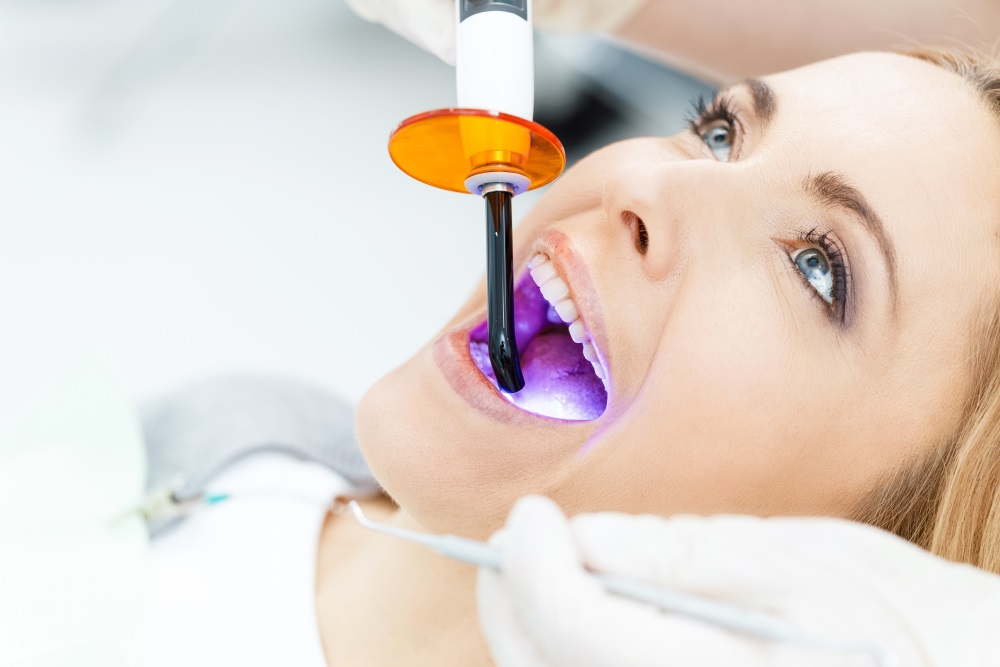
Today, dentists have the option to choose between professional teeth whitening trays or laser teeth whitening. And don’t let the laser scare you. Unlike the movies where lasers normally blow up aliens or obliterate planets, the laser doesn’t actually do the whitening of your teeth. Instead, the laser works in conjunction with a paste that is applied to the teeth that is then heated up by the laser. Whitening trays are a more traditional approach and use peroxide to break down stains. Both treatment options brighten teeth, but come with different price tags and time commitments. It is important to discuss this with your dentist prior to making a decision.  


What does the future hold? 


The future of teeth whitening is bright. (That’s a little dental humor for you!) An increase in patient demand has pushed innovation and technology and made teeth whitening more accessible for everyone. As convenience continues to dominate the marketplace, expect to see more at-home products. If you choose to pursue at-home methods, it is important to remember some of the products are not regulated and therefore are much less potent than what you would receive in our office. If you are looking to drastically change the color of your teeth, it’s recommend to come to us for professional application.

The post The Fascinating History of Teeth Whitening appeared first on Fort Worth Dentist | 7th Street District | H. Peter Ku, D.D.S. PA.


Sedation Dentistry – Your Ultimate Guide

There are a number of reasons that adults —grown adults—avoid trips to the dentist.     According to the American Dental Association, o...